


All prices shown on this page are an average and can vary widely across the UK.
How much does it cost to own a horse in the UK?
The cost of owning a horse varies depending on where you live, what your horse needs and the type of livery you choose. It's important to build a budget that feels comfortable and sustainable for you and leaves a bit of room for the unexpected.
Owners spend approximately £5,350 per year on direct costs to care for one horse1.
To help you explore the typical costs of caring for a horse, use our calculator below to get a clearer picture of your monthly outgoings.
One-off costs when buying a horse
If you're buying a horse for the first time, you'll need to buy several items upfront like tack, grooming equipment and healthcare essentials.
Purchase price of a horse
chevron-down
chevron-up
Your horse's purchase price will vary widely depending on age, training and type. The average price of horses advertised for sale is £3,7502.
Pre-purchase veterinary examination and vetting
chevron-down
chevron-up
A vetting is a helpful way to check a horse's health before you buy, so you know if anything might affect the activities you'd like to do together. It isn't a guarantee for the future, but it does give you a clearer picture right from the start.
Although it feels like an extra cost, a vetting can potentially save you money later on by helping you avoid unexpected health issues.
If you plan to insure your new horse for veterinary cover, many insurers will ask for a Stage 2 or Stage 5 vetting and may need the certificate soon after you take out the policy. It's always worth checking with different companies so you know exactly what they require.
A Stage 2 vetting generally costs between £250 and £300, while a Stage 5 vetting typically ranges from £350 to over £450. This price often excludes travel/visit fees. Costs vary by vet practice, location and the experience of the vet.
Horse transport and delivery costs
chevron-down
chevron-up
Once you've purchased your horse, you'll need to decide how to transport them to their new home.
If you don't already have your own transport, you can hire a horsebox or trailer. Alternatively, you can pay for a professional transporter to collect and deliver your new horse. Both options will incur a cost, so comparing prices in your area is a must.
Typical cost:
- Hiring a 3.5-tonne self-drive horsebox typically costs £100-£130 per day on weekends and £85-£115 per day during the week
- Some companies will offer alternate packages, e.g., half day or full weekend hire
- Using a professional horse transporter typically costs £1.20-£2.50 per mile, with a minimum call-out fee usually from £50 to £150
- Prices vary based on if you choose a private trip or a shared load
Ongoing monthly and annual costs
Horse livery costs
Unless you have your own land, you'll need to find somewhere safe and suitable for your horse to live. Different types of livery offer different levels of support. You may also find private land for rent and prices will depend on the facilities available.
Livery types
chevron-down
chevron-up
- Grass livery ranges from £80-£200 per month1
- DIY livery typically around £120-£300 per month1
- Part/full livery prices can vary widely, from around £400 up to £1,000+ per month1
You may incur extra costs for staff to provide care if you're unable to attend to your horse for any reason. For example, you go on holiday.
Feed, forage and bedding
Forage
chevron-down
chevron-up
Forage is an essential part of your horse's diet, especially during the winter or if your horse is stabled/housed. Hay and haylage prices can vary depending on availability and the summer weather.
Agriculture and Horticulture Development Board (AHDB) publish a weekly update on hay and straw prices from the British Hay and Straw Merchants' Association, both as a UK average and by region.
The 2026 average cost of hay:3*
- Small bales: £6.85 each (range £8-£12 each)
- Large round bales: £54.84 each (range £70-£100 each)
- Large square bales (or equivalent large formats): £69.39 each
* averages taken 4-18 March 2026

Feed
chevron-down
chevron-up
Bedding
chevron-down
chevron-up
Housed or stabled horses horses need bedding to keep them clean, dry and comfortable. The type of bedding you choose might depend on your horse's needs, local availability and the storage space you have available.
Typical cost:
- On average, £45 per month1
- In 2026, a large bale of straw cost approximately £904

Veterinary fees and insurance
Routine vet care includes vaccinations against equine flu and tetanus. Some yards may also ask for additional vaccinations, such as for Equine Herpes Virus or strangles. It's also a good idea to have a financial buffer or insurance to help with unexpected illnesses or injuries as, depending on their severity, these can run into hundreds or thousands of pounds.
Public liability insurance
chevron-down
chevron-up
It's strongly advised that owners have public liability cover, even if their horse is retired or kept as a companion. For example, our Gold membership includes cover up to £30 million.
Farrier, equine dental technician and saddle fitter
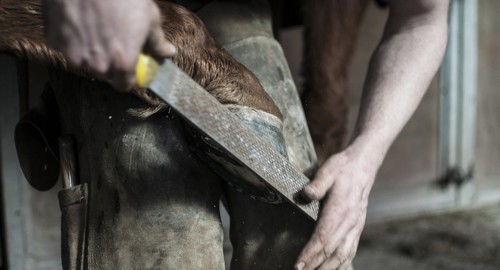
Most horses need to see a farrier every four to six weeks if shod, or every six to eight weeks if unshod. Some horses may need specialist shoeing, which can cost more and require more frequent visits.
Typical costs:
- Barefoot trim: £30-£40
- Front shoes: £60-£70
- Full set of shoes: £90-£100+
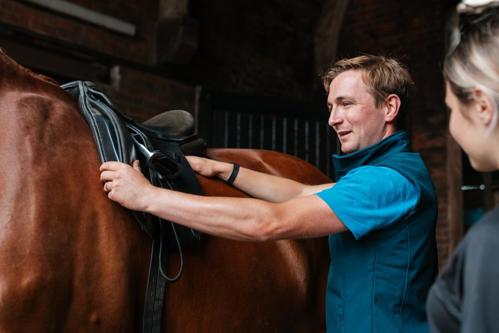
Horses also need their teeth checked at least once a year and sometimes more often for young or older horses. Saddles should be checked every six months because horses' shapes change throughout the year.
Typical cost:
- Dental: £50-£60 per visit
- Saddle fitter: £40-£100 per visit
Worm control for horses
Following a risk-based worm control programme typically costs between £50 and £150 per horse*, per year. Taking practical steps to lessen your horse's worm risk will reduce the amount of dewormers needed, which can be an additional cost. Your vet or Animal Medicines Advisor (SQP) will advise if you need to use a dewormer and which one to use. Dewormers can cost up to £30 per syringe, depending on brand and active ingredients.
*Prices are based on 2026 industry averages and may vary depending on laboratory or veterinary practice used.
Veterinary-led subscription plans
chevron-down
chevron-up
Many vet practices offer tailored worming programmes that include faecal worm egg counts (FWEC), tapeworm tests and expert advice for a set yearly fee.
- Average cost: £64–£150 per year
- What’s typically included: three to four FWEC per year, one to two tapeworm tests and sometimes a winter wormer.
DIY/laboratory subscription schemes
chevron-down
chevron-up
You can order kits directly from labs and manage the schedule yourself, which is often cheaper.
- Average cost: £40–£50 per year
- Example kits:
- Four FWEC refill pack: £37
- Tapeworm test: £23.50-£26 per test
- Single FWEC kit: £10-£15
- Wormer medication (cost varies and only if needed)
- Estimated testing total: £93 per year (DIY approach).
Additional costs to consider
End of life decisions
If a horse's quality of life begins to decline or an emergency occurs, you need to be ready, both financially and emotionally, to make kind, thoughtful decisions about euthanasia. Services, such as our Friends at the End, can help guide and support you during difficult times.
Unexpected extras
Unexpected costs can appear at any time, sometimes with a lost shoe, a torn rug or tack that suddenly needs repairing. You might also find yourself replacing first aid items, grooming products or even your own equipment.
If you have your own transport, such as a trailer or lorry, remember to budget for MOTs, servicing, tax and fuel. You may also need to pay for parking/storage of your transport when not in use.
If you visit the yard multiple times a day, you’ll also need to factor in the travel and maintenance costs for your daily vehicle.
References
- BETA Market Information (2023) National Equestrian Survey 2023
- Horsemart (2024) Horse Prices: How Much Does A Horse Cost?
- David Marlin (2026) UK Horse Owners Face Rising Hay Prices and Supply Challenges - AskAnimalweb
- Agriculture and Horticulture Development Board (2026) Hay and straw prices