


What do you need to know before owning a horse?
Daily commitments
chevron-down
chevron-up
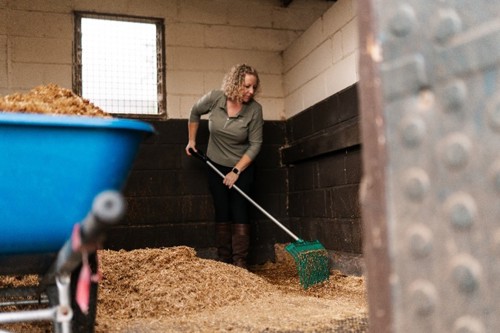
Your horse’s routine is at the heart of their wellbeing and skipping days simply isn’t an option. They need to be checked at least twice a day, whether they’re living out if stabled/housed. This daily care includes feeding, providing fresh water, enrichment opportunities, grooming, cleaning their stable or housing, picking out hooves and making sure they’ve enough turnout and exercise for their physical and mental health. Investment in suitable clothing to protect you from the elements helps make sure continued enjoyment whatever the weather.
You’ll also need to factor in regular visits from professionals such as farriers, vets, saddle fitters and dental technicians. These appointments keep your horse comfortable and healthy, but they also take time out of your regular week.
Horses don’t take holidays, so it’s important to have a plan for when you do. If you’re unwell, away or unexpectedly busy, someone trustworthy and experienced must be able to step in and care for your horse.
How much does it cost to own a horse?
chevron-down
chevron-up
Understanding the costs of owning a horse is essential. Buying your horse is just the starting point, the real expense comes from their day-to-day care.
Unexpected veterinary bills can arise at any time, so it’s important that you have a financial buffer. Many owners find that the peace of mind provided by insurance and having emergency savings helps to reduce stress during difficult moments.
Your experience level
chevron-down
chevron-up
If you’re new to horses or returning after some time away, it’s a good idea to build your experience and knowledge before committing to ownership. This can include:
- Riding lessons at one of our approved centres
- Improving your practical management and care skills by taking part in our Challenge Awards
- Volunteering at a yard
- Part-loaning a horse to experience the real daily routine and costs.
These experiences help you build your confidence and learn the essentials such as recognising signs of illness.
What do you need for a horse? Horse owner checklist
Documents and essentials
chevron-down
chevron-up
Every horse in the UK must legally have a valid passport and be microchipped. The passport must remain with your horse at all times. It contains your horse’s identification details, ownership history and other important information.
As an owner, you should also update the Passport Issuing Organisation (PIO) if your horse goes on loan or you change address. Loanees and new owners must always check that passport details match the horse and are up to date.
Alongside this, it’s sensible to have clear guidance in place for anyone who might need to care for your horse in your absence. An equine care plan makes sure that whoever steps in has the information they need to maintain your horse’s routine and safeguard their wellbeing.
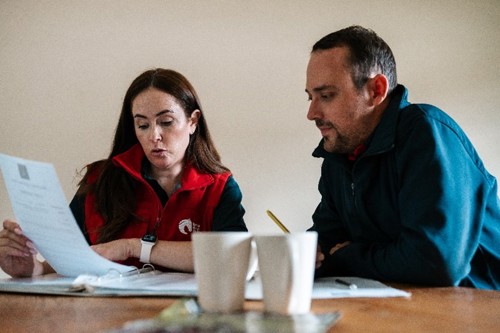
It’s helpful to keep your own records, including:
- Worming and testing history — keep a record of any worm counts, tests and treatments as part of your risk-based worm control.
- Farrier and dental schedules
- Insurance documents.
Keeping good records helps you stay on top of your horse’s health and legal responsibilities.
Emergency contacts and plan
chevron-down
chevron-up
It’s important to have a clear plan in place in case of emergencies. This should include who can make decisions if you’re uncontactable, what to do in urgent veterinary situations or when euthanasia may need to be considered. Make sure this information is easy to find and shared with your yard owner or anyone involved in your horse’s care.
Essential equipment and tack
chevron-down
chevron-up
The equipment you’ll need varies depending on your horse, but most owners start with:
- Headcollar and lead rope for safe handling
- Grooming kit including brushes, a curry comb, hoof pick and mane/tail comb
- Mucking out tools such as a fork, broom and wheelbarrow
- Feed buckets and water containers
- Appropriate rugs — not all horses need a rug, so consider their age, health, workload and how they naturally cope with different conditions before deciding
- Saddle, bridle, girth and saddle pad
- Hi-vis equipment if you’ll be riding out or hacking.
The saddle is one of the most important investments you’ll make. A poorly fitting saddle can cause pain, behavioural issues or long-term physical problems. It's essential to get it fitted by a qualified professional.
Livery, land and grazing options
chevron-down
chevron-up
The place you choose to keep your horse will depend on your budget, travel distance and facilities you’d like. Consider turnout quality, fencing, stable/housing safety, staff knowledge and the overall atmosphere. A calm, secure environment helps your horse settle comfortably and reduces stress for both of you.
Building a bond with your horse
The partnership you develop with your horse is one of the most rewarding aspects of ownership. Horses need time to adjust to new environments, routines and people. Being patient, calm and consistent will help your horse feel safe.
Spending extra time grooming, hand-grazing or working together on the ground can help you build trust. Horses often communicate through subtle signals, the position of their ears, how they move around you or the softness of their expression. Learning these cues will help to strengthen your connection.
References
chevron-down
chevron-up
1. Jung, Y., & Yoon, M. (2025). The Effects of Human–Horse Interactions on Oxytocin and Cortisol Levels in Humans and Horses. Animals, 15(7), p. 905.
2. Schwarzmüller-Erber, G., et al (2021). Recreational horseback riding and its association with physical, mental, and social wellbeing and perceived health. Anthrozoös, 34(5), pp. 685-706.


