


Things to consider when choosing where to keep your horse
Before looking into different options available, it helps to understand what your horse needs to live happily and healthily.
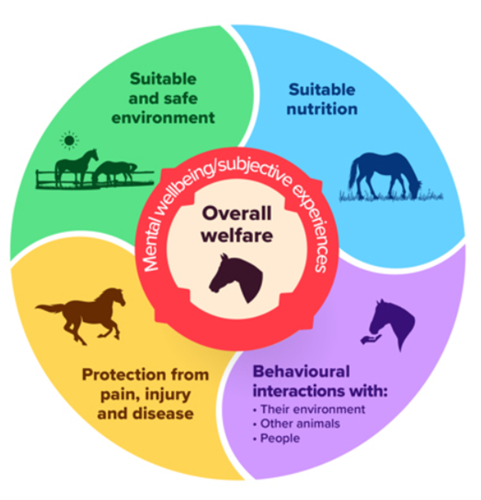
Caring for your horse is a huge responsibility and you need to consider their physical requirements, as well as their emotional and mental wellbeing needs. Our guiding principles consider all parts of a horse's life and are a roadmap to help you understand what to look for across these areas so you can provide your horse with the best of care.
It's also important to think about what works for you. Can you visit your horse twice a day (or more if needed) or will you need support with daily care? What facilities matter most for the activities you'd like to do with your horse, such as an arena with lighting or safe hacking routes.
Shelter, stabling and indoor environments
chevron-down
chevron-up
If your horse is stabled during part of the day, this should be safe and clean. Good ventilation helps reduce dust and prevents the build-up of ammonia, which can irritate their respiratory health.
Stables need to be big enough for your horse to turn around, lie down and rise comfortably. Floors should be non-slip, and bedding should be clean, absorbent and low in dust. Stabled horses need daily turnout and social contact to support their physical and mental wellbeing.
Group barns
chevron-down
chevron-up
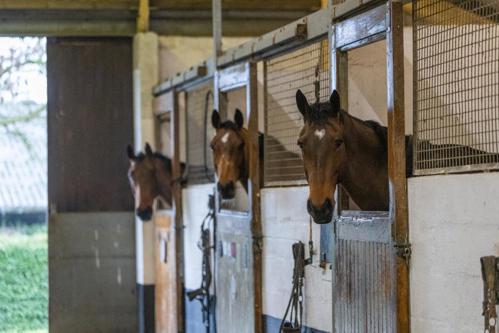
Keeping horses in a shared barn can be a great way to support their social needs. However, it's important to make sure every horse has enough space to move around freely, lie down comfortably and access food and water without competition.
Choosing the right mix of horses is key, as those that are less sociable or have specific needs, like mares with foals, may need separate care. With thoughtful planning, communal barns can offer your horse more opportunity for friends, freedom and forage.
Turnout, pasture and land management
chevron-down
chevron-up
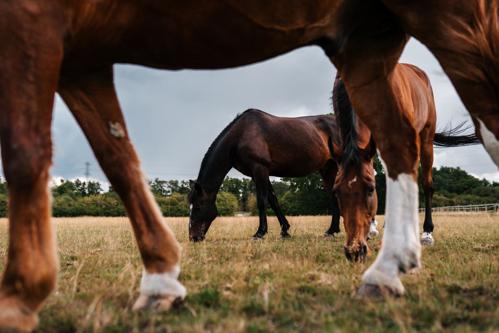
Fields should have secure, well-maintained fencing and be free from poisonous plants. The Codes of Practice for the Welfare of Equidae recommend that each horse should have approximately 0.4 to 1 hectare of grazing (1 to 2.5 acres per horse) of a suitable quality if no supplementary feeding is being provided.
Living out permanently can be a good option, but there are many factors to consider, especially wet or extreme weather conditions. Some horses may also need their grazing to be carefully managed or require specific management for health reasons. Choose a setup that meets your horse's individual needs and adapt it throughout the year.
Viewing a new place to keep your horse
When viewing yards or grazing, take your time and trust your instincts. First impressions can be helpful.
If you like the yard but feel uncertain, take time to ask questions and possibly request a follow-up visit. Notice how calm and content the horses look, how tidy the facilities are and whether the atmosphere feels friendly and welcoming.
Wherever your horse lives, safety and organisation are essential
chevron-down
chevron-up
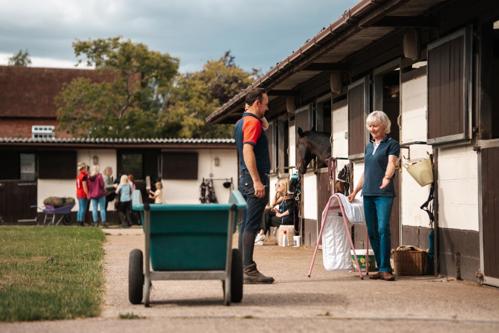
When visiting a yard, look for:
- Clean, tidy and well-maintained areas that are safe to walk and work around
- Sturdy, secure fencing and well-kept stables
- Well-maintained pastures with no poisonous plants and signs of regular poo picking
- Safe doorways, gates and walkways
- Well-lit areas for handling and caring for your horse
- Secure, dry storage for forage (hay/haylage), feed, bedding, rugs and tack
- Clear fire safety measures and an emergency plan
- Safe parking for cars, trailers and horseboxes
- A safe, suitable place for mounting
- A general feeling of calm, security and good organisation
It's also helpful to think about:
- Where your horse would be kept and if it meets their individual needs
- If you'll need support from the yard to help care for your horse
- How long your daily commute to the yard would take
Talking to other owners at the yard can also give you a useful insight into what daily life there is like.
Questions to ask when viewing yards
chevron-down
chevron-up
When you visit a potential yard or grazing space, it helps to ask:
- What are the safety measures and emergency plans?
- What disease prevention policies are in place?
- Does your horse need a strangles test before moving?
- How are new horses quarantined?
- Do they offer group turnout or only individual?
- If group turnout: how are herd dynamics managed and how will your horse be safely introduced?
- Is turnout available all year round?
- How are fields managed, especially in winter?
- What are the turnout and feeding routines?
- Do they follow a risk-based worm control programme?
- What time does the yard open and close?
- Who cares for horses when owners can't attend?
- What facilities are available and when can they be used?
- Are there any specific yard rules to be aware of?
These questions help you build a picture of daily life and decide whether the yard will suit both you and your horse.
Horse housing options
Individual horses and owners will feel more at home in different settings. Here are some options to explore:
Livery yards
chevron-down
chevron-up
A livery yard is a shared place to keep your horse, typically offering stables or housing, grazing and facilities like an arena, tack room and storage. A good yard feels friendly, tidy and well-organised, with clear routines and agreed rules to keep everyone safe and your horse's wellbeing a priority.
Packages
Livery yards often provide packages that vary in the level of services provided, may include freelance grooms and coaches providing care, and facilities available. It's important to check if services are provided seven days a week, or if you'll need to provide full care at the weekend. These include:
- Full livery: yard staff provide daily care, such as feeding, mucking out and turnout; exercise may be included.
- Part livery: daily tasks are shared between you and the yard, for example, you might attend in the mornings and the staff will care for your horse later in the day.
- DIY livery: you rent a stable/housing and grazing, carrying out all daily care yourself.
- Grass livery: your horse lives in a field all year round. Some yards include feeding, watering and changing of rugs.
Prices
Costs vary with location, facilities and support. Factors include arena access and lighting, year-round turnout, whether hay/bedding are included, staff help and extras, such as holding your horse for the vet or farrier. Ask what's included and what costs extra so you can plan your budget clearly.
Insurance
Yards should carry appropriate insurance, for example public liability, care custody and control, and employer's liability where staff are employed. Check with the yard manager to confirm what insurance cover they have in place.
It's also important to check you have the right insurance in place for any horse you own, loan or have in your full care and control. Our Gold membership includes public liability insurance up to £30 million*, helping protect you if your horse causes injury or damage. Accidents can happen and, without cover, you could be responsible for large compensation claims.
*Terms and conditions apply
Why choose a BHS approved livery yard?
BHS approved centres are inspected to meet high standards of horse care, safety and professionalism, offering extra reassurance about management and welfare.
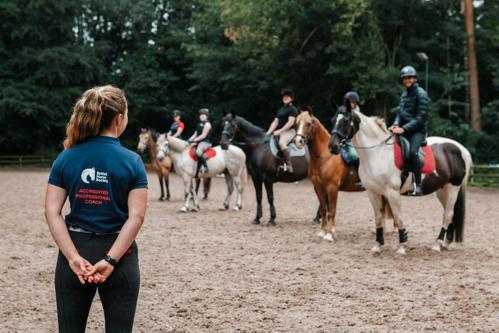
Riding schools and working livery
chevron-down
chevron-up
Some riding schools offer working livery. In exchange for reduced livery fees, your horse is used in riding lessons. This means your horse will be ridden by different people and you may not always be able to ride when your horse is needed for teaching. This can be a great option if you find it difficult to exercise your horse regularly, with peace of mind that the sessions are being supervised by a professional.
It's important to make sure the riding school you choose has the correct insurance and is licensed by the local authority. Your horse would need to pass an independent RCVS veterinary inspection that will check their health, fitness and suitability for the type and number of sessions they'd be used for.
Alongside required insurance and licensing, BHS Approved Centres undergo additional inspections. Staff are experienced and hold qualifications to evidence their knowledge and coaching ability, and take pride in the welfare of the horses they care for.
Things to consider once you have chosen where to keep your horse
Transport and moving your horse safely
chevron-down
chevron-up
Travelling can be stressful for horses, so the vehicle should be secure, well-ventilated and spacious enough for your horse to balance comfortably. When you arrive at their new home, your horse may become more excitable in different surroundings if they're not used to travelling to new places. It's recommended to wear a hat and gloves when loading and unloading your horse.
If you decide to use a transporter to move your horse, make sure they have all the necessary licences and insurance.
Quarantine your new horse
chevron-down
chevron-up
Your new yard may ask for your horse to be kept separate from the other horses for two to three weeks (quarantine), so that any hidden illnesses, such as coughs or common infections, have a chance to show and reduce the risk of spreading to others.
Keeping your horse on your own land
Keeping your horse at home gives you full control over their care and routine. This can be a peaceful and rewarding option, but it comes with responsibility as we've discussed throughout. In addition, you'll need a reliable water source, appropriate shelter and someone trustworthy who can help when you're away. Horses also need companionship, so you may need to keep more than one.
Planning permission and legal responsibilities
chevron-down
chevron-up
If you keep horses on your own land, you may need planning permission to build stables/housing, add permanent field shelters or change land use from agricultural to equestrian. Your local authority can guide you through the process.
You're also responsible for safe fencing, secure boundaries and making sure your land doesn't pose risks to horses or neighbouring properties. If there's any public rights of way crossing your land, consider how you'll safely maintain these access routes.
Alternative gracing and turnout systems
chevron-down
chevron-up
Some owners use alternative systems to support movement, weight management and land health, such as:
- Track systems
- Rotational or strip grazing
- Equicentral systems
- Non-grass turnout
- Woodland or moorland turnout
These systems all have benefits and challenges, as detailed in 'The use of alternative grazing systems in the UK' report that we supported.