


In Partnership with

What is colic in horses?
Colic is a general term used to describe pain in your horse’s abdomen and can range from painful to life-threatening. Colic is usually related to their digestive tract but it can also be caused by other organs. Equine colic is the most common emergency and cause of death in horses worldwide1. Horses can respond differently, and their behaviour may not reflect how much pain they’re in. This can vary from appearing quieter than normal, showing only subtle signs, to clear indications that there’s a problem. Colic can deteriorate quickly so it should be treated as an emergency.
Advice specific to donkeys is available from The Donkey Sanctuary.
REACT now to beat colic webinar
Catch up on our recent webinar with Sarah Freeman and Emma Shipman from the University of Nottingham to look at how to best prepare for colic.
 play-circle
REACT now to beat colic webinar
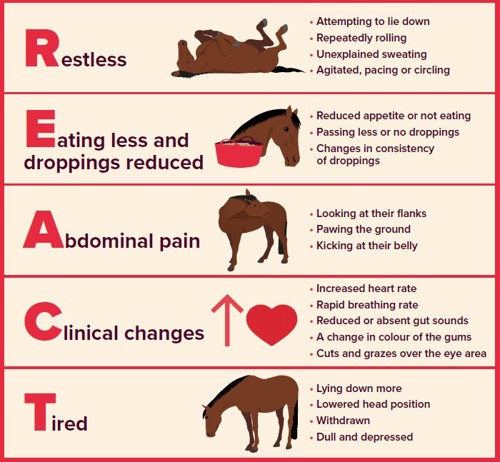
Signs and symptoms of colic in horses
Recognising the signs of colic early and contacting your vet quickly is vital to increase your horse’s chance of recovery, and in critical cases where further treatment or surgery isn’t an option, to prevent any unnecessary suffering.
If you notice any signs of distress or changes in your horse’s behaviour, think REACT and immediately contact your vet for advice and support.
Knowing what’s normal for your horse will help you identify any changes. This includes the consistency and number of droppings per day, their normal behaviour and their eating and drinking habits.
Checking temperature, pulse and respiration
Getting to know your horse’s normal temperature, pulse and respiration rates (TPR) is important in advance of a potential health concern. Having their values recorded on your equine emergency care plan can provide a reference to refer to.
If you notice any slight changes in your horse’s behaviour, and it’s safe to do so, you can take their TPR, which will help you to spot problems early. A raised pulse and respiration rate above their normal range may suggest your horse is in pain, which could be colic. If they’ve a higher-than-normal temperature, they may have an illness or infection, but it’s less likely to be linked to the early stages of colic.
Never attempt to take your horse’s TPR rates if it’s not safe to do so – wait for your vet to arrive.


What to do if you suspect colic
Contact your vet straight away. They can advise you on further steps.
If your vet isn’t familiar with your yard, you can share a what3words or live location with them. Make sure they have a contact number they can reach you on.
What to do while waiting for your vet to arrive
Horses in pain may display uncharacteristic behaviours and may not be aware of their surroundings, including you. Make sure you’re safe and don’t proceed with anything if it’ll put you at risk; wait for your vet to arrive to support you.
Allow your horse to lie down or roll if they wish to; this won’t make colic worse.
Try to make the area as safe as possible. This could be a field, arena, stable or shelter. Remove any objects your horse could injure themselves on including water buckets, hay nets or equipment.
Your horse may be more comfortable gently walking. It can be safer to keep your horse on a lunge line. Make sure to wear a riding hat, gloves and appropriate footwear. Don’t force your horse to walk if they’re reluctant and don’t walk for more than 30 minutes unless your vet has advised you to do so. Think of us if we suffer gut pain; if it’s trapped wind, it can be helpful to move. If it’s appendicitis, it would be very painful to try and walk.
Check your emergency care plan. Critical colic is time sensitive. Check over your plan so you’re prepared to make quick and informed decisions if needed. Consider your finances, insurance if you have it, and how you’ll transport your horse if needed.
Stay calm and continue to monitor your horse so you can inform your vet when they arrive.
Complete an emergency care plan
Colic surgery can be successful with horses returning to their normal life, but it isn’t suitable for every horse and owner. There are lots of factors to consider, and it’s much better to think these through prior to being in an emergency. It can help to discuss your options with your vet, coach, yard manager or a trusted friend and completing an emergency care plan can help bring clarity to your decision making, and help prevent having to make a rushed decision in a stressful situation.
How your vet will diagnose and treat colic
When your vet arrives, they’ll assess your horse and respond according to their needs, such as providing painkillers and conducting tests to help assess and determine possible treatments.
History
chevron-down
chevron-up
They’ll ask you questions about your horse and what signs they’ve been showing.
Clinical exam
chevron-down
chevron-up
It’s likely your vet will assess your horse’s breathing and pulse rates, check their mucous membranes, see if they’re dehydrated and listen to their gut sounds.
Rectal exam
chevron-down
chevron-up
Performing a rectal exam allows your vet to feel parts of the abdomen internally for abnormalities, such as a blockage.
Nasogastric tube
chevron-down
chevron-up
Horses are unable to vomit, so fluid may build up in the stomach. Your vet can pass a tube through your horse’s nose, down into their stomach to remove this fluid and provide some relief. It’s not uncommon for this tube to cause your horse to have a nosebleed which can alarming but will be carefully managed by your vet.
Belly tap
chevron-down
chevron-up
Your vet can draw a sample of fluid from your horse’s abdomen. This can be tested for signs of infection and damage.
Medication
chevron-down
chevron-up
Your vet can prescribe various medications including pain relief and muscle relaxants. They can also give fluids if needed. Many cases of colic can be managed medically at your yard. In more serious cases, horses may need to be referred to hospital for closer monitoring and medical support.
When is colic surgery needed?
Certain types of colic will require surgery. This involves an emergency referral and transporting your horse to an equine hospital. Your vet or the equine hospital will discuss the options with you prior to surgery, including prognosis, recovery and costs.
Before proceeding with surgery, it’s important to consider what you can realistically afford. The average cost of colic surgery in 2023 was £8,690 with a range of £4,764–£20,3432. These figures don’t include costs incurred before and after referral to the hospital.
Caring for your horse after surgery
chevron-down
chevron-up
If your horse has colic surgery, they’ll need support during their recovery. Your vet will discuss this with you but it’s likely to include several weeks of box rest, close monitoring, slowly increasing time grazing in hand and gradual rehabilitation to recover from major surgery. Many horses make a full recovery and return to same level of work as before their surgery3.
Euthanasia
chevron-down
chevron-up
In critical cases where surgery isn’t an option, or if your horse’s pain can’t be managed, your horse may need to be euthanised to prevent further suffering.
Types of equine colic
Spasmodic colic
chevron-down
chevron-up
One of the most common types of colic
Intermittent sharp bouts of pain, presumed to be when sections of the gut contracts in an abnormal manner
Loud gut sounds may be heard.
Gas colic (flatulent/ tympanic colic)
chevron-down
chevron-up
Excess gas builds up in the intestines, causing them to over stretch and become painful
Loud gut sounds and horses can look bloated
Often associated with a change in management, such as moving to new grass.
Impaction colic
chevron-down
chevron-up
The digestive system becomes blocked and prevents normal passage of food through the gut
Reduced number, or drier droppings are often seen
Low grade prolonged pain often with more subtle signs
Often associated with a management change on to a drier diet such as box rest with more dried forage.
Sand colic
chevron-down
chevron-up
Accumulation of sand and dirt in the digestive tract which can irritate the bowel lining
Sand may be present in the horse’s droppings.
Displacement colic
chevron-down
chevron-up
A section of the gut moves abnormally within the abdomen which can cause an obstruction
Signs can vary from mild to severe
Droppings often reduced.
Strangulation colic (torsion/twisted gut)
chevron-down
chevron-up
A portion of gut becomes twisted or trapped, which cuts off the blood supply to the affected area
Critical form of colic that will likely require surgery or euthanasia
Usually severe and continuous signs of pain, but some horses may be very dull and depressed.
Other causes of gastric pain
chevron-down
chevron-up
Gastric ulcers in the stomach can cause discomfort
Enteritis or colitis - inflammation of the digestive tract which causes pain and often diarrhoea.
Risk factors for colic and how to minimise them
There are several factors that can increase the risk of your horse getting colic. However, there are some simple steps you can take to reduce this. The main way to decrease the risk is to avoid sudden changes to routine and diet.
Forage
chevron-down
chevron-up
Feed a high fibre, forage-based diet. This could be fresh forage such as grass, or preserved forage including hay, haylage or short chopped fibre, such as chaff.
How this helps -This will make sure your horse’s gut has a regular supply of food to digest and encourage a consistent, healthy motion throughout their digestive system.
Lush and excess amounts of grass can cause weight gain, obesity, laminitis, spasmodic or gas colic. Horses can consume a lot of grass in a short space of time so carefully managing your horse’s grass-intake by strip grazing with electric fencing or using a grazing muzzle can help to slow down the rate of grass being eaten.
How this helps - Controlling the rate at which your horse eats allows the digestive system enough time to break down the food and reduces the risk of gas building up in their intestine.
Avoid horses eating directly from a sandy surface such as an arena for example, if pasture turnout is being restricted. Lift your forage (such as hay or haylage) up from sandy ground. This could be in haynets or feeders or adding mats or hardcore down.
If your horse is prone to sand colic, try to avoid them eating very short grass on sandy soil.
How this helps – This reduces the risk of taking in sand and dirt while they eat.
Water
chevron-down
chevron-up
Make sure plenty of clean, fresh water is easily accessible at all times and monitor how much your horse drinks. Horses may drink less if their water is unclean, unable to access due to resource guarding from another horse or not enough water is provided.
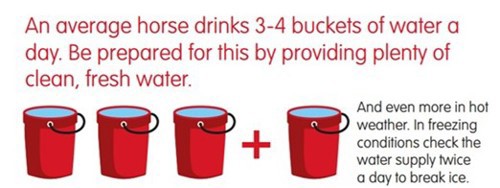
Consider the weather as horses will drink more in hot weather and when exercised. They may also drink less during colder weather and if sources are frozen.
How this helps – Drinking enough water helps make sure the digestive system remains healthy and hydrated, allowing the food content to move freely through the gut, which reduces the risk of impactions and blockages.
Create a routine and make any changes gradually
chevron-down
chevron-up
Make any changes to your horse’s diet and routine gradually over at least 10-14 days. This includes using a new supply of forage, moving to rested pasture or altering their time spent in the field or stable/housing.
How this helps -The horse’s gut contains billions of bacteria that take at least 10-14 days to adapt to new feed and effectively digest it.
Horses that are suddenly moved onto box rest are at an increased risk of colic4. There are steps that can be taken to help support a horse with this sudden change of management.
Horses with multiple people caring for them have an increased risk of colic1. If other people help care for your horse, make sure they have the information available to maintain your horse’s routine. We recommend completing a daily care plan which can be shared with the relevant people.
If concentrates, such as cereals, need to be fed to your horse, provide feeds that are low in starch and sugar, little and often.
How this helps - Concentrates are mainly broken down in the stomach. If fed in large quantities, they can pass through the stomach undigested and begin to ferment in the intestine producing excess gas or causing blockages.
Don’t feed horses grass cuttings, garden waste or human food. Horses are grazing animals and struggle to effectively digest large quantities of food that are eaten quickly. Use our Be Horse Aware signs on your field borders to advise passersby of the dangers related to feeding horses.
Soak any feeds that need it (e.g. sugar beet) following the feed company’s instructions.
How this helps - Insufficiently soaked feeds will absorb water from within the digestive system. This can cause choke and impaction colic.
Dental care
chevron-down
chevron-up
Horses use their teeth to grind long stem fibre and begin digestion. Dental disease or pain can affect your horse's ability to chew and grind their food and can lead to impaction colic.
Have your horse’s teeth checked every 6-12 months by an equine vet or a qualified Equine Dental Technician, registered with the British Association of Equine Dental Technicians or category 2 members of The World Wide Association of Equine Dentistry.
Follow a risk-based worm control plan
chevron-down
chevron-up
High worm burdens can cause significant damage to the horse’s digestive tract.
Protect your horse by following a risk-based worm control programme, developed alongside your vet and make sure good pasture management is in place.
Stress
chevron-down
chevron-up
Stress and stereotypic behaviours can increase your horse’s chance of developing colic3. Look out for the signs of stress and identify changes that can be made to support your horse. Your vet or an equine behaviourist can help you if you’re concerned. Enrichment can offer your horse a greater variety and choice and positively contribute towards their physical and mental needs.
References
chevron-down
chevron-up
Bowden, A., et al. (2017). Prevalence and outcome of conditions seen at out‐of‐hours primary assessment at two practices over a 3‐year period (2011–2013). Equine Veterinary Journal, 49 (S51), p.11.
Burrell, K., et al. (2024) Horse owners' and veterinary practitioners' experiences of decision-making for critical cases of colic. Equine Veterinary Journal, 56(6), pp.1216-1228.
Christophersen, M., et al. (2011) Sporting activity following colic surgery in horses: a retrospective study. Equine Veterinary Journal, 43 (40), pp.3-6.
Curtis L., et al. (2019) Risk factors for acute abdominal pain (colic) in the adult horse: A scoping review of risk factors, and a systematic review of the effect of management-related changes. PLoS One, 14(7):e0219307.
Get in touch – we’re here to help
Our Horse Care and Welfare team are here to help and can offer you further advice with any questions you may have. Contact us on 02476 840517* or email welfare@bhs.org.uk. You can also get in touch with us via our social media channels.
Opening times are 8.35am–5pm from Monday — Thursday and 8.35am–3pm on Friday.
*Calls may be recorded for monitoring purposes.


