


When is rehoming a horse the right decision?
Making the decision to rehome your horse is never easy. There can be many reasons, such as changes to your personal circumstances, financial challenges, you've outgrown them or you're struggling to cope with the partnership.
If you're unsure whether rehoming is right for your horse, taking time to reflect on their daily care, your own wellbeing and the support available can help guide your decision. Speaking with trusted professionals, like vets, coaches, yard managers or welfare organisations, can also bring clarity and reassurance.
Choosing the right rehoming option
Every horse is different and the best rehoming option depends on their age, temperament, if they can be ridden, driven or be a companion and any ongoing health needs. For some horses, rehoming may not be a suitable option.
Private sale
chevron-down
chevron-up
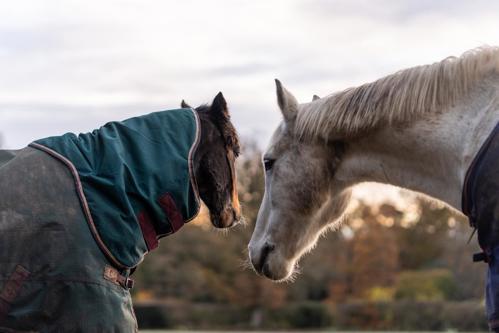
Private sale allows you to select the new owner from those interested but gives you no guarantees or future control of what will happen to your horse once the sale is complete. Some owners appreciate the finality of this option, while others find it emotionally harder to step back.
Rehoming through a charity or welfare organisation
chevron-down
chevron-up
Charity rehoming offers structured processes, welfare checks and long-term oversight managed by the organisation. Many charities require owners to sign over their horse completely and spaces are often very limited (horses in need of urgent care will be the priority), but this option provides a high level of protection when available.
Choosing charities with strong welfare standards is essential. Some charities will require your horse to be moved to one of their rehoming centres before being placed in a new home. There are alternative options like the Blue Cross home direct scheme, which moves horses directly from their previous home to their new one.
Loaning your horse
chevron-down
chevron-up
Loaning can be a flexible and reassuring option for many owners that don't want to sell their horse but can't give them the full care that they need. It keeps you connected to your horse, while placing daily care with someone else. Detailed agreements and regular communication are essential to support this arrangement.
Companion homes
chevron-down
chevron-up
Companion homes can work for horses who can't be ridden but enjoy company and can offer companionship to other horses. Not all horses suit this lifestyle and potential owners may not understand the needs of companion horses, so thoughtful rehoming is vital.
Preparing your horse for rehoming
Before beginning the rehoming process, preparing yourself and your horse can help things run smoother and makes sure that you have all the information a potential new owner may need.
Assessing health, soundness and behaviour
chevron-down
chevron-up
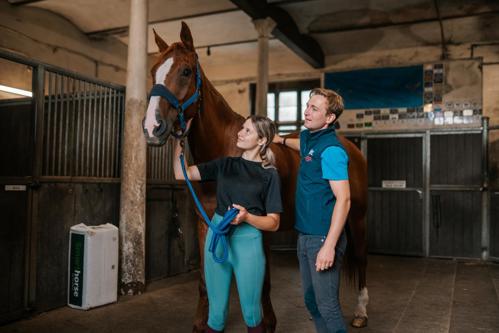
A complete, honest assessment of your horse's health, soundness, education, temperament and behaviour is essential. Some horses benefit from behavioural or veterinary assessments, arranged by the potential buyer, especially if they have specific care needs.
Transparency helps protect your horse from mismatched homes and reduces the risk of future difficulties.
Preparing yourself emotionally
chevron-down
chevron-up
Letting go of a horse can feel heavy and emotional. It's perfectly normal to feel sadness, guilt or even relief during this process. These emotions don't mean you're making the wrong choice; they reflect the depth of your connection. Recognising that responsible rehoming comes from a place of care may bring you comfort later on.
Speaking with people who understand your situation, like friends, coaches and yard owners, can help process your feelings. You can also get in touch with our Friends at the End team, who can offer free, confidential support throughout.
Finding a suitable new home
Finding the right home requires honesty, patience and open communication.
Advertising your horse responsibly
chevron-down
chevron-up
A well-written advert focuses on your horse's true needs and abilities, avoiding vague or appealing phrases that might attract unsuitable buyers. Clear photos and videos showing your horse in everyday situations can help responsible new oeners form an accurate impression.
Vetting potential new owners
chevron-down
chevron-up
Speak openly with potential buyers, ask about their experience and their facilities to help you assess suitability. Matching your horse with someone whose experience aligns with their temperament is essential. Asking potential new owners for references from vets, farriers or yard managers offers additional reassurance. Trust your instincts: if something feels off, it's okay to pause.
The rehoming process
Once you've found a potential home, clear communication supports a smooth transition. Explaining your expectations around viewings and the steps towards rehoming helps build trust.
Viewing, trials and agreements
chevron-down
chevron-up
Viewings are an important part of selling or rehoming your horse. They allow the potential new owner or carer to handle, groom and, when appropriate, ride your horse in their familiar environment to see if they're a suitable match.
Trial periods, such as a loan with the option to buy, can be a way to make sure the match is right before committing to a full sale, supported by a written agreement outlining timelines and responsibilities.
Contracts and written agreements
chevron-down
chevron-up
Making sure that documentation's up to date is another important step. Passports must be accurate and registered with the owner's details, microchips correctly registered and veterinary, dental and farriery records maintained. Once your horse has been rehomed, the passport must travel with them to their new home. If your horse has been sold, it's the responsibility of the new owner to notify the relevant passport issuing organisation.
Clear written agreements to confirm what's included with the rehoming and responsibilities protect both parties, including:
- Will the horse come with any rugs or tack?
- When the horse will be collected and who's responsible for arranging this?
Handover, transport and settling in
chevron-down
chevron-up
Before your horse moves to their new home, make sure you share any knowledge or information that may help them settle in. This could include their current routine, feeds, any medications that'll be provided and any calming strategies that might help to make them feel more comfortable, for example their favourite spot for a scratch.
Having a good plan ahead of transporting your horse can help avoid any last-minute panic on moving day. Make sure that your horse is able to load onto the chosen transport safely. Plan your route and allow plenty of time for travel, ideally choosing times outside of rush hour traffic and when the weather's cooler.
Creating a contingency plan for loan homes
chevron-down
chevron-up
Even the most carefully arranged loan situations can change unexpectedly. Creating a contingency plan gives your horse a place of safety if their home decides to end the contract. Thinking ahead about where they would go, who could support you and how to manage unexpected changes provides reassurance for both you and your horse.
After rehoming: staying connected and letting go
chevron-down
chevron-up
Once your horse has moved on, it's natural to think about them often. In some arrangements, follow-ups are welcome and can reassure both you and the new owner. Stepping back after a sale can be more emotional, as you need to let the new owner form their own relationship with your horse.
In loan arrangements, your involvement continues, often including updates and visits, but should be balanced with respect for the new home's routines and growing bond.
If welfare concerns arise in a loan home, you'll need to intervene or take your horse back. In a sale, you won't have legal authority.
Avoiding common rehoming risks
Rehoming becomes riskier when rushed. Taking your time, asking questions and trusting your instincts helps protect your horse from unsuitable homes.
Certain signs may indicate a poor fit, for example reluctance to provide references, vague answers or an unwillingness to allow a home check. It's always acceptable to not proceed if you're unsure.
If selling attempts stall, remember that this simply means the right home hasn't yet appeared. Exploring other options like loaning, retirement livery or charity support can help. Using a reputable sales livery yard is another route, where experienced professionals can prepare, advertise and show your horse, often helping to match them more carefully with a suitable new home. While this may involve extra costs, it can provide reassurance that your horse's needs and future are being thoughtfully considered.
When rehoming a horse may not be the best option?
Some horses may struggle with change and become vulnerable in new environments. Older horses, or those with health conditions that require careful management, medication or will become worse over time, may not cope in a new home. For these horses, retirement livery or euthanasia may be a more responsible and humane option.
Retirement livery
chevron-down
chevron-up
Retirement livery offers paid care for older or non-ridden horses that may not be suitable for rehoming. These environments are usually calm, structured and managed by professionals who understand the needs of aging horses. Visiting the yard beforehand will make sure you feel confident in the care provided.
Euthanasia
chevron-down
chevron-up
Euthanasia is sometimes the most responsible and humane choice. Horses with long-term health issues or severe behavioural problems may not cope being moved to a new yard and potentially suffer if placed in unsuitable homes. Euthanasia can prevent instability, fear and neglect, and can allow your horse to pass peacefully in familiar surroundings.
If you have worries, concerns, or you're unsure if euthanasia is the right choice for your horse, our Friends at the End team can offer you support and advice.