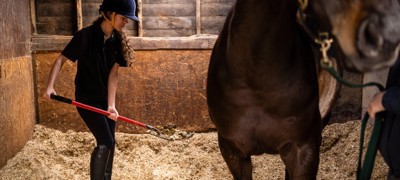


Caring for a horse will bring a range of ongoing costs, such as forage, bedding and routine management expenses. When looking for ways to save money, it’s important to make sure any changes still support your horse’s health and overall welfare.
If you're feeling worried or overwhelmed, please know you're not alone. Our Horse Care and Welfare team is here to support you. Whether you're coping but concerned about your finances or facing the difficult decision of selling or rehoming your horse, we’re here to listen and help. You can reach us on 02476 840517 or email welfare@bhs.org.uk.
Avoiding false economies
It’s tempting to cut back on routine care to save money, but this can often lead to bigger problems and larger bills later on. Skipping regular farrier visits, dental checks, saddle fittings or vaccinations may seem like a saving, but it can compromise your horse’s health and lead to costly issues. Prevention is always better than cure.
Some savings may also look appealing but end up costing far more in the long run. Delaying essential veterinary care, removing shoes without farrier guidance or using unqualified practitioners, can put your horse at risk. Fixing minor problems early, whether it’s a loose fence post or investigating a change in behaviour, helps protect your horse and avoid expensive emergencies.
Every horse is different, so not all suggestions will suit every situation. If you're thinking about making changes, it's important to do so gradually and seek professional advice if you're unsure. Small, thoughtful adjustments can make a real difference.
Routine healthcare
Routine vet care includes important vaccinations, like those for equine flu and tetanus. If your vet is close by and you’ve got transport, taking your horse to the clinic for routine healthcare can be a simple way to save on call-out fees. Or, if a few people on your yard need routine care for their horses at the same time, teaming up to share the call-out cost can be another handy way to keep expenses down.
Many vet practices now offer healthcare plans too. These spread the cost of routine treatments across the year, which can make budgeting a bit easier and helps make sure your horse gets everything they need without any surprise bills. You might also find that your vet practice runs ‘zone days’, where they visit certain areas on set days and offer reduced or even free call-out fees.
Planning for emergencies
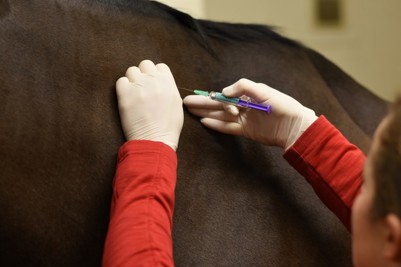
When it comes to your horse’s health, it’s best not to guess. If something doesn’t seem right, call your vet for advice. Many vets are happy to talk things through and will let you know if a visit is needed.
Unexpected vet bills can be stressful. If you don’t have insurance, consider setting up a monthly savings pot just in case. Even with insurance, it’s important to understand what’s covered and what isn’t, as some treatments, like colic surgery, may exceed policy limits. Having an emergency care plan gives you peace of mind and helps you act quickly if something goes wrong.
Our Gold membership includes public liability insurance up to £30 million*, helping protect you if your horse causes injury or damage. Accidents can happen and without cover, you could be responsible for large compensation claims.
*Terms and conditions apply.
Testing-led deworming
It’s important to maintain a testing-led deworming programme to keep your horse healthy and reduce the risk of resistant worms. Consult with your vet or Animal Medicines Advisor (SQP) on test results and if your horse requires a dewormer. Blanket deworming greatly increases the level of resistance, which can lead to expensive vet fees to treat worm-related disease such as colic and colitis.
Hoof care
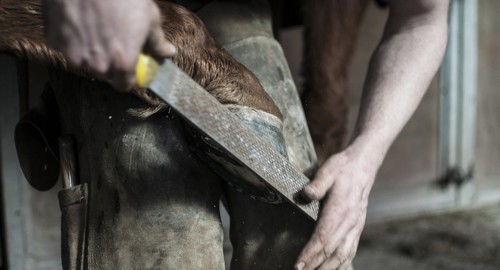
Shoeing and hoof care can be a significant expense, so it’s worth discussing options with your farrier. Depending on workload, environment and hoof condition, your horse may be able to go barefoot or wear shoes only on their front feet. Your farrier may also be able to reset shoes if the wear is low. Always follow professional advice to avoid lameness and keep your horse comfortable.
Transport tips
If you own horse transport, take time to review your insurance and shop around for the best deal. You might find discounts by applying online or speaking directly with insurers. When travelling, avoid carrying unnecessary equipment as lighter loads use less fuel.
Feeding smarter
Feeding is one area where small changes can make a big difference. Many horses do well on a diet based mainly on good-quality forage, such as hay or grass, with a vitamin and mineral balancer added. This is especially true for horses in light work, good doers or those carrying excess weight. Monitoring your horse’s bodyweight with regular fat scoring will help to keep them healthy while also allowing you to adjust feed and forage rations where needed.
Before buying supplements or hard feed, consider whether they’re truly necessary. If you’re unsure, speak to a nutritionist. Many feed companies offer free nutrition helplines if you need guidance. There are also independent nutritionists available, but will likely incur a charge.
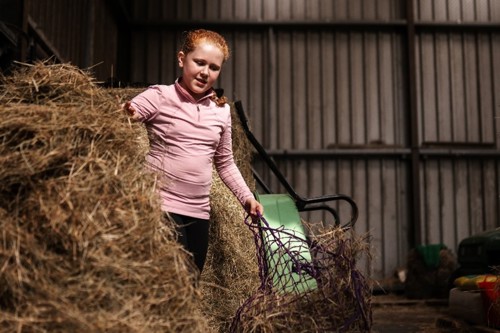
To reduce waste, consider using small-holed haynets or slow feeders. These help forage last longer and prevent it from being trampled into bedding or mud. Plan ahead for what amount of feed and forage your horse will require and only buy what you need, also taking into consideration what storage space you’ve available so stock isn’t ruined by wet weather. Don’t forget to compare prices, local suppliers may be able to match online deals, helping you save while supporting small businesses.
With the dry weather seen in 2025 reducing grass growth and creating ongoing pressure on hay supplies and prices, it’s natural to feel concerned but early planning can help you stay prepared and support your horse’s needs.
Making the most of your equipment
Looking after your equipment can help it last longer and save you money. Store tools in a dry place out of direct sunlight and clean tack regularly to prevent cracking and mould. Rugs can often be repaired, washed and reproofed for less than the cost of buying new ones. Store them properly to avoid damage from damp or pests.
If a bucket handle breaks, you can plait baling twine to make a new one, perfect for soaking hay or using as a skip. For safety reasons they shouldn't be left with horses and would be unsuitable to use as feed or water buckets.
Buying second-hand tack and rugs can be a great way to save but always check that items are safe and clean. Avoid buying second-hand riding hats and make sure saddles are fitted by a qualified professional. If you have equipment that you no longer use, consider selling it to free up space and earn a bit of extra money.
Sharing and teaming up
Depending on your yard’s policy, teaming up with a friend to share daily tasks like turnout can save time and fuel. If you’re responsible for buying bedding, feed or forage, speak to your yard manager about placing joint orders. Buying together can reduce costs and sharing delivery charges makes it even more affordable.
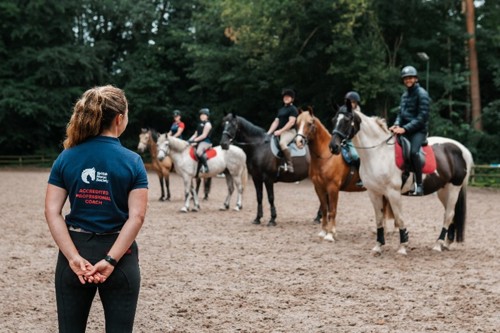
You can also coordinate group appointments for vets, farriers, dentists and physiotherapists to split call-out fees. Sharing lessons or opting for group sessions is another way to reduce costs.
If you’re short on time, finding a reliable sharer might be an option. A sharer can help with care and exercise while contributing towards costs. Make sure you have a clear written agreement and check that your sharer has public liability insurance. If you’re one of our Gold members, you’ll have access to free legal advice to help with this.
Livery and housing options
If your current livery costs are becoming difficult to manage, speak to your yard manager about alternative arrangements. You might be able to switch to grass livery, DIY packages or you may have to consider moving to a yard with fewer facilities or alternative livery packages.
When considering grass livery or shared grazing, always make sure essentials such as water, shelter, safe fencing, drainage, storage and suitable year-round access is available. Some arrangements may require more daily tasks, like poo picking or checking water, so think carefully about what works for you and your horse.
If you’re considering a move, choosing from our approved livery yards can help make sure that your horse is in safe hands.
Working livery is another option. Some riding schools or colleges offer reduced fees in exchange for using your horse in lessons. Make sure the establishment is licensed, ideally one of our approved centres and always have a written agreement that suits both you and your horse.
Bedding choices
Choosing the right bedding can help you save without compromising comfort. Straw is often the cheapest but may be unsuitable for horses with respiratory issues or those who eat their bed. Alternatives like chopped straw, wood pellets or shredded paper can be more absorbent and less palatable.
Rubber matting is a bigger investment upfront, but it can reduce the amount of bedding needed over time. If you use mats, it’s still important to add a layer of bedding to soak up urine and contain droppings.