


Why should you prepare ahead of viewing a horse?
Planning ahead helps you to discover important details about the horse's health, training and temperament before you even leave home. It also helps you to understand what type of horse you're looking for, so you're not swept up in the emotion of the moment.
Buying without preparation can lead to wasted journeys or, worse, choosing a horse that isn't suitable for your goals, abilities or confidence level. Being well prepared gives you the best chance of asking the right questions and making a choice you'll be happy with for years to come. It can be useful to ask for videos of the horse doing the activities you're interested in.
What are common mistakes buyers make?
chevron-down
chevron-up
Choosing a horse to buy is a big decision, and being aware of what mistakes to avoid can help prevent problems arising. These can include:
- Viewing horses that aren't suitable for your current riding level, such as being too young, inexperienced, or too advanced for your ability
- Forgetting to ask about the horse's daily routine, health history or behaviour in different scenarios, such as being clipped or when transported
- Letting looks, colour or movement outweigh temperament and suitability
- Feeling pressured to make a decision on the day
- Not taking someone experienced along or not reviewing videos afterwards
By preparing ahead of time, you give yourself space to make thoughtful, confident decisions that put your safety and long-term enjoyment first.
What should you do before you arrange a viewing?
Before arranging to view a horse, it's important to think about how far you're willing to travel and how you'll get there. If the horse is far away, make sure you have enough information beforehand, especially videos and answers to key questions, so the journey is worthwhile.
Researching the seller and horse history
chevron-down
chevron-up
Take time to learn more about the person selling the horse. Are they the owner or selling on behalf of someone else? How long have they had the horse? Why is the horse for sale? This information helps you understand the background and whether anything feels uncertain or rushed.
It can also be helpful to search online for reviews or feedback on professional sellers, to reassure yourself that you're dealing with someone reputable.
If the horse has previously competed, you can look up their records on the relevant governing body's website.
Questions to ask before viewing a horse
chevron-down
chevron-up
Before committing to view the horse, have a friendly conversation with the seller and ask for as much information as possible. If the horse doesn't fit what you were hoping for, be honest and thank the seller for their time. Questions may include:
- The horse's temperament and daily routine
- If ridden, what activities the horse is used to
- How they behave when hacking, loading, travelling, catching and clipping
- Any past injuries or illnesses, or any current health conditions
- Whether they have any stereotypical behaviours
- How they behave with other horses
- Whether vaccinations, shoeing/trimming and general care are up to date
What should you bring to a horse viewing?
If the horse sounds suitable, the next step is to organise a viewing to visit and, where applicable, you'll have an opportunity to ride.
Clothing, riding equipment and safety gear
chevron-down
chevron-up
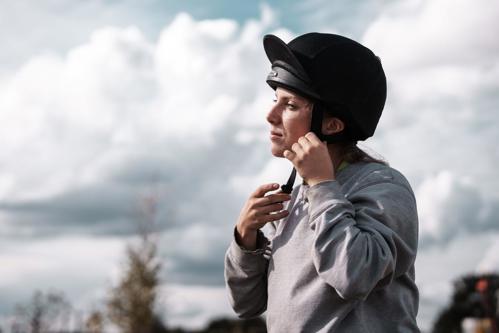
Dress in your usual comfortable and practical clothing you normally wear when riding. A well-fitting riding hat, sturdy boots with a heel and gloves.
Documents and information to have ready
chevron-down
chevron-up
Bring a written checklist of your questions to help keep your thoughts organised on the day. A notebook or your phone for recording notes or videos is also useful.
Bringing an experienced person with you
chevron-down
chevron-up
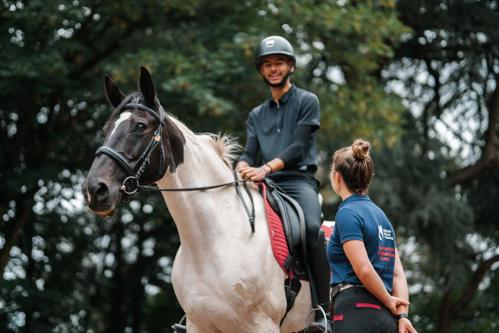
A trusted, experienced person is invaluable - whether they're a coach, horsey friend or professional advisor. They can offer steady, objective support, help spot things you might miss and gently remind you of your original goals. Their presence also takes some of the pressure off you, so you can simply focus on how the horse feels.
When viewing: what to look for when assessing the horse on the ground
First impressions and handling
chevron-down
chevron-up
When you arrive, take your time. What does the yard feel like? How does the horse respond to being approached? Do they seem calm, curious, tense or distracted? None of these are automatically good or bad, they show you how the horse responds to new people in their environment.
Checking conformation, soundness and movement
chevron-down
chevron-up
Watching the horse walk and trot in a straight line helps you assess how they carry themselves. Are they moving freely. Do their legs look clean and well cared for? Looking at hooves, body condition and general health gives you valuable insight into how the horse has been managed and any potential problems they may have.
Observing temperament and behaviour
chevron-down
chevron-up
Notice how the horse behaves during grooming and tacking up. Do they stand quietly? Are they fidgety or anxious? Do they react to certain tasks, like tightening the girth or being bridled? These behaviours can tell you a lot about the horse's training, comfort levels and potential health problems.

When viewing: what to look for when trying the horse under saddle
Watching the horse being ridden first
chevron-down
chevron-up
Always ask the seller or their rider to get on first. This isn't just for safety, it also gives you chance to see how the horse goes in their usual routine. Watch their transitions, straightness, willingness and overall behaviour.
Assessing suitability for your riding level
chevron-down
chevron-up
When it's your turn, keep things simple and steadily work your way up the transitions if you feel happy to proceed at each stage. Try walk, trot, canter and, if appropriate, a small jump. Focus on how safe, comfortable and confident you feel.
Trying the horse in different environments
chevron-down
chevron-up
If possible, watch or try the horse in more than one setting like a school, a small hack or open space. Horses can behave differently depending on the surroundings, so this can give you a better picture of how they might be at home.

What questions should you ask during and after a viewing?
Asking thoughtful questions helps you understand the horse's routine, experiences and needs, such as:
- What's the horse's typical day like during the winter and summer months?
- Has the horse ever had any injuries, illness or ongoing management needs?
- How does the horse behave with farriers, vet and dental technicians?
- How does the horse behave when being loaded and transported?
- Is the horse used to hacking alone and in company?
- Are there any situations which the horse finds stressful and therefore needs additional care or training?
- How fit is the horse currently and what work are they doing?
Good sellers will appreciate your care and thoroughness.
Health, training and competition history
chevron-down
chevron-up
Ask the seller about the horse's full health background, even small details can help paint a clearer picture. Ask about the horse's current fitness level and what a typical week consists of with their exercise and training. If the horse has competed, ask how they performed and whether they were calm, nervous or excitable in new places.
Management and routine
chevron-down
chevron-up
Understanding how the horse lives day to day can help you fully assess if you'll be able to provide for their specific care and wellbeing. Ask about feeding, turnout, companions, shoeing/trimming and any specific care they require, especially if there's any situations the horse becomes worried about.
Reason for sale and ownership details
chevron-down
chevron-up
The seller should be comfortable explaining why they're parting with the horse and how long they've had them. A good seller will be open, honest and eager to match their horse with the right person.
Deciding whether to proceed
After the viewing, give yourself time to reflect. Rewatch your videos, chat with your advisor and take a moment to really imagine day-to-day life with the horse. The right match will feel calm, natural and comfortable, not rushed or uncertain.
Next steps after a successful viewing
Arranging a second viewing
chevron-down
chevron-up
Seeing the horse again, perhaps at a different time of day or with another advisor, can help you feel more confident about your decision.
Discussing price and terms
chevron-down
chevron-up
Once you've made the decision to purchase the horse, have an open conversation with the seller about what's included in the price, such as tack, rugs, feed or nothing at all. If a deposit is discussed, it's important to be clear about the terms and whether it's refundable, for example if the horse fails the vetting.
Note: make sure to get a full receipt for any deposit paid and confirmation for the terms of refund in writing.
Booking a pre-purchase vetting
chevron-down
chevron-up
If you feel the horse could be the right match for you, there is the option of having a pre-purchase examination completed by a vet.
Red flags to watch out for
Issues with documentation and history
chevron-down
chevron-up
If paperwork is missing, unclear or doesn't fully match the horse presented, further enquiries should be made. Clear records help make sure everything is genuine and transparent.
Concerns with horse presentation, health and behaviour
chevron-down
chevron-up
A horse that appears unusually tired, overly sweaty or looks to have been ridden before you arrive may indicate the seller is trying to manage behaviour you haven't been told about.
Seller pressure or lack of transparency
chevron-down
chevron-up
A trustworthy seller wants the best match for their horse. If someone pressures you to decide quickly or avoids important questions, it's perfectly okay to walk away.
Key points to remember on the day
- Take your time and trust your instincts
- Film as much as you can
- Ask plenty of questions
- Notice how the horse makes you feel
- Put safety first at every stage

