


Pasture management to prevent excessive mud
Caring for your pasture year-round is a great start to preventing excessive mud during the wetter weather.
· Poo picking - leaving manure to breakdown in the field can make the ground softer. Removing droppings at least twice a week will also help reduce the risk of worm related disease.
· Overcrowding - having too many horses in one field will create more traffic and churn up the mud much quicker.
· Rest and rotate - it’s important to give your grazing time to rest each year. Plan your turnout so that each area has at least one-two months with no horses grazing1.
o If you can’t rotate entire sections of grazing, fencing off particularly damaged areas to allow them to recover will be beneficial.
· Feeding in the field - placing hay on areas that are already muddy can make the problem worse, as the leftover scraps of hay will breakdown in the mud and make it deeper. Where possible, place hay in feeders on hard surfaces and clear up any leftover before placing out fresh hay.
Field design
A well-designed paddock can help decrease excessive mud problems and help you get the most out of the land available to you.
Where possible, save the paddocks with the best drainage for the wetter weather. Avoid using low lying land where water may accumulate and position field gateways/access in the driest section of the paddock’s perimeter.
Even with a well-thought-out plan, you may still find new problem areas where water collects and causes potential issues. Working to resolve those problem areas as soon as possible will help to limit any damage to your grazing.
Drainage
chevron-down
chevron-up
Using paddocks with the best natural drainage will help to combat the mud before it becomes an issue. However, there are ways of improving drainage from problem areas2 including:
- Building gutters and downpipes - Installing guttering and downpipes will help to catch rainwater and direct it to drainage areas, preventing the drainage water run-off from entering neighbouring paddocks or flooding barns and stables
- Buffer strips - Leaving strips of vegetation to grow between paddocks can help soak up some of the excess water from the fence lines.
- French drains - Digging a small channel and filling it with gravel will help to direct water away from your paddocks. It’s essential to make sure these drains aren’t accessible to your horses or are covered with finer, levelled gravel to protect your horse from injury.

- High traffic pads - In areas with high traffic (e.g. gateways and water supplies) consider building a high traffic pad with multiple layers of permeable geotextile fabric and gravel, to improve drainage and stabilisation
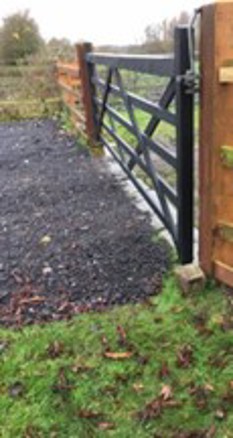
- Ground/grass mats - Usually made from rubber or high-strength plastic, ground or grass mats can be placed in gateways and high-traffic areas as a temporary measure to protect the surface and help prevent mud.

All-weather turnout areas
chevron-down
chevron-up
Setting aside an area of land for use when the field is too wet for full turn out can significantly reduce the damage to your grazing, while still providing your horses time out of their stable for exercise and enrichment4.
All-weather turnout surfaces can include sand, horse-safe wood chip, hardcore, rubber matting or grass mats to create a hardstanding area. It’s important for the surface to be non-slip, level, have no gaps and is easy to clean so that it’s safe for your horses. Be aware that organic products like wood chip will breakdown over time so will need to be topped up or replaced more regularly. If creating any new non-grass turnout areas, always check your local planning guidelines before commencing any work.
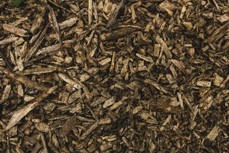
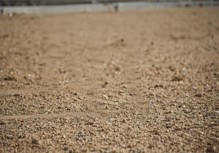
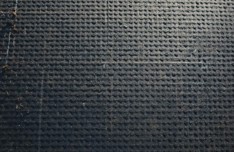
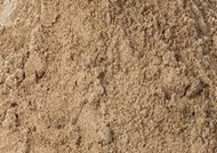
Depending on how many horses you have on the property and how much land is available to you, it may be best to have more than one all-weather turnout area. Alternatively, you can rotate the turnout to make sure each horse gets time out of their stable every day. To help safeguard the welfare and wellbeing of horses, it’s important that the method of turnout provides horses with friends, forage and freedom. Make sure turnout areas are sufficiently large enough for the number of horses.
Health issues
An environment with deep mud, especially when mixed with manure, is unhealthy for your horse. The moisture from the mud harbours bacteria and fungal organisms that can cause a number of health problems such as:
· Mud fever - a bacterial skin infection affecting horses’ legs
· Rain scald - a bacterial skin infection that affects the upper body
· Thrush - a fungal infection that affects the hoof
· Softened hooves - more prone to cracking, splitting, bruised soles and other hoof injuries
· Fly-born issues - the wet mud will attract more flying insects, particularly as the weather gets warmer towards the end of winter into spring.
References
chevron-down
chevron-up
- Vet's Top 10 Mud Tips
- Greene, E. A. (2007). Tools to Help Horse Owners Deal with Muddy High-Traffic Areas . The Journal of Extension, 45(6), Article 30.
- Managing mud on horse farms | UMN Extension
- Preserving Winter Pastures – Kentucky Equine Research
Related articles


Get in touch - we’re here to help
Our Horse Care and Welfare team are here to help and can offer you further advice with any questions you may have. Contact us on 02476 840517* or email welfare@bhs.org.uk. You can also get in touch with us via our social media channels.
Opening times are 8.35am–5pm from Monday — Thursday and 8.35am–3pm on Friday.
*Calls may be recorded for monitoring purposes.