


What feels hot for a horse often depends on what they're used to. For example, if temperatures have been around 30°C for several weeks and your horse has been exercised during the warmer parts of the day, they may cope better. However, if the weather has been cooler (around 15°C) and suddenly increases to 25°C, your horse may struggle more1.
In addition to temperature, other factors including humidity, sunlight and wind also affect how well your horse can cope2. Horses cool themselves by sweating, but high humidity makes it harder for sweat to evaporate. Bright sunlight can increase heat stress, especially on cloudless days. Wind can help by improving evaporation and cooling your horse more effectively.
Exercise a horse safely in hot weather
Exercising in hot weather puts extra demands on your horse's body. As they work, they generate heat and, in warm conditions, this becomes harder to lose. Horses can sweat heavily, sometimes losing several litres of fluid in a single session, which increases the risk of dehydration and reduced performance3. Being aware of these challenges and adapting your approach can make a big difference to your horse's wellbeing.
It's important to think about your horse's health and fitness. Horses carrying excess weight, those that are unfit or have conditions, such as Cushing's Disease, may find it harder to cope in hot weather.
Adjust your riding schedule
chevron-down
chevron-up
If your horse isn't used to working in warmer temperatures, introducing exercise gradually can help them adapt more comfortably over time, especially competition horses.
Where possible, exercise during the cooler parts of the day, such as early morning or late evening, can help avoid the peak heat.
You can also make changes to your sessions, such as:
- Ride at a slower pace, or for shorter periods
- Include regular breaks to let your horse recover
- Choose routes with access to shade where possible
It's also helpful to allow extra time after exercise for your horse to effectively cool down.
Riding lessons in hot weather
During periods of hot weather, riding schools may continue to run sessions. However, be aware that your lesson content may be altered to reduce the risk of overheating for the horses. The duration, intensity and timing of your session may change to reflect the weather conditions and welfare of the horses.
Monitor signs of overheating
chevron-down
chevron-up
Every horse will cope differently, so it's important to recognise when your horse may be struggling.
Signs of overheating can include:
- Heavy or excessive sweating
- Fast or laboured breathing
- Feeling hot to the touch
- Lethargy or a drop in performance
Monitoring your horse before, during and after exercise will help you spot any concerns early. It's important to check that their recovery, such as breathing and heart rate, returns to normal in a reasonable time. If you have any concerns, stop the exercise and begin cooling measure straight away to help prevent more serious issues like heat stroke.
Competing
chevron-down
chevron-up
When competing in hot weather:
- Consider entering fewer classes
- Check water availability and bring your own supplies to the event
- Have someone available to help with cooling after competing
- Keep your warm-up shorter or split into smaller sessions4
- After warming up, allow your horse to rest in shade or cool them with water
Cooling your horse with water won't affect performance and can help prevent overheating by reducing the need for excessive sweating4.
Cooling and post-exercise recovery
Effectively cooling your horse supports recovery, reduces stress on their body and helps prevent more serious heat-related problems.
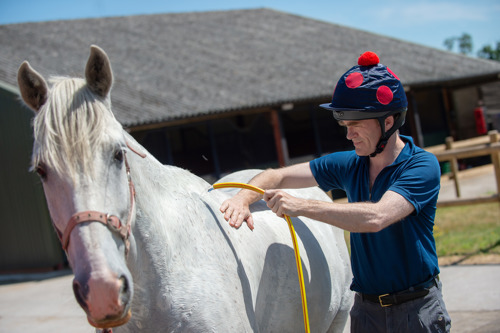
Photo credit: John Stroud
Cool your horse down effectively
chevron-down
chevron-up
Applying water (active cooling) is one of the most effective ways to cool your horse after exercise2. Using cool water over the body helps to bring their temperature down safely and efficiently.
For best results:
- Apply cool water continuously over the whole body
- Pay particular attention to areas where tack has been
- There's no need to scrape any water off as this will help evaporation
In humid conditions, sweating alone often isn't enough to cool a horse effectively, so active cooling becomes even more important2.
In addition to using water, gently walk your horse after exercise to support recovery. This helps reduce heat in the muscles, encourages circulation and can make your horse more comfortable as they return to a normal resting state2.
Replenish electrolytes
chevron-down
chevron-up
When horses sweat, they lose important salts and minerals known as electrolytes. These are essential for hydration, muscle function and overall health, so replacing them is an important part of recovery5.
You may notice signs of electrolyte loss, such as a dull coat, reduced energy or darker urine. Supporting your horse with electrolyte supplementation can help maintain balance, particularly if they're in medium work or higher5.
To support your horse:
- Always follow the manufacturer’s guidance
- Offer plain water alongside electrolyte solutions.
For horses in lighter work, a salt lick may be sufficient.
Provide access to shade
chevron-down
chevron-up
Providing shade helps your horse stay comfortable in hot weather by reducing direct sun exposure.
Allow time in a cool, shaded area for rest after exercise, travelling or competing to support recovery and reduce stress.
Preparing your horse for travelling in the heat
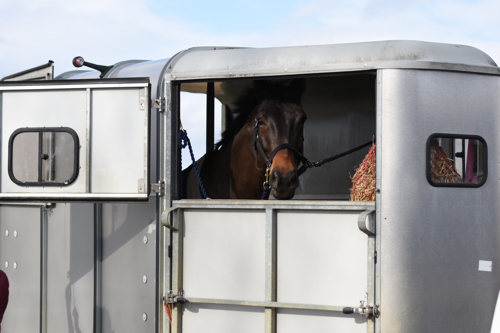
Travelling takes effort for horses, particularly in warm weather. Even short journeys can raise body temperature, especially if ventilation is limited5. Careful preparation can help make the journey more comfortable for your horse.
When to avoid travelling your horse
chevron-down
chevron-up
It's advised your horse shouldn't be transported in temperatures over 30°C if you don't have a temperature-controlled vehicle. It's also important to consider the 'feels like' temperature for your intended route if humidity is high6.
If it can't be avoided, try not to travel during the hottest part of the day. Planning journeys for cooler times, like early morning or overnight, can make a difference to your horse's wellbeing. However, where conditions remain excessively hot, postponing travel may be the safest option for your horse's welfare.
Inspect trailer ventilation and airflow
chevron-down
chevron-up
Good ventilation is one of the most important factors when travelling in the heat. Make sure your trailer or lorry allows for adequate airflow to help prevent heat from building up inside.
Before travelling, it's worth checking that:
- Air vents and windows are open and working effectively
- There's good airflow throughout the vehicle
Planning your journey to avoid traffic or long delays can also help, as standing still in a warm vehicle can increase the risk of overheating. In some cases, additional ventilation, such as a portable fan, may be useful, particularly for longer journeys or in very hot conditions. It's also important to be prepared for unexpected situations, such as breakdowns, so you can act quickly if needed.
Hydrate your horse
chevron-down
chevron-up
- Keeping your horse well hydrated is essential before, during and after travel. Some horses can be reluctant to drink away from home, so plan ahead and travel with plenty of fresh water
- Plan rest breaks every three to four hours when travelling long distances and offer water6
- Monitor your horse for signs of dehydration
In some cases, bringing water from home can encourage your horse to drink more readily. Keeping a close eye on their behaviour and condition will help you spot any early warning signs.
References
- Ebisude, Y., et al (2026) Effect of heat acclimation training frequency on the physiological adaptations of Thoroughbred horses. American Journal of Physiology-Regulatory, Integrative and Comparative Physiology, 330(4), p. 330.
- Hernandez, A., et al (2025) Managing Heat Stress in Horses. EDIS, 2025(6).
- Lesnovska O., et al (2025) Equine welfare under environmental challenges. Journal of Animal Health and Production, 13(1), pp. 442-452.
- Marlin, D., et al (2018) Optimising performance in a challenging climate. FEI Sports Forum.
- Lindinger, M. (2022) Oral electrolyte and water supplementation in horses. Veterinary Sciences, 9(11), p.626.
- Brown-Douglas, C. (2011) Feeding Horses During Travel. Kentucky Equine Research.