


What is strangles in horses?
Strangles is a disease caused by a highly infectious bacteria called Streptococcus equi and is so called because the airway can become restricted by swollen lymph nodes.
Strangles Awareness Week
We’re proud to be collaborators on the Strangles Awareness Week campaign which occurs every May (4-10 May 2026). The campaign aims to raise awareness and break the stigma around strangles, the most common infectious disease, and help to prevent or manage future outbreaks. You can join us and sign up to become a SAW Ambassador to support the campaign.
How do horses get strangles?
Strangles bacteria is spread by direct contact between horses when they touch. While the bacteria can’t spread through the air, infected horses shed mucus and pus which contain the bacteria. This is known as indirect contact where bacteria can land on and contaminate surfaces which, if touched by other horses, can transfer the bacteria and spread the disease. These surfaces include stables, gates, feed buckets, piles of hay (forage), tack, lorries, trailers and even human clothing, shoes or hands. The bacteria can survive for several weeks in water1 so sharing water troughs and buckets can be a major cause of spread.
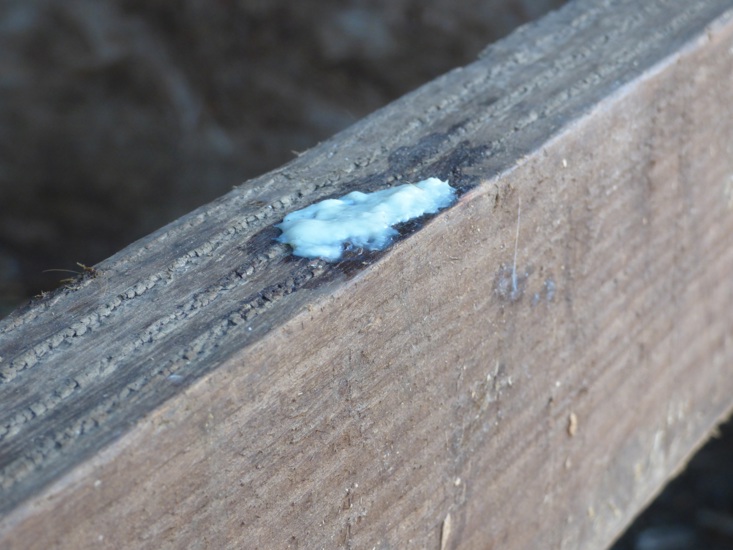
Discharge from an infected horse on a fence - Image credit: Redwings Horse Sanctuary
Strangles doesn’t discriminate and can affect any horse. While most horses will recover from the illness, the financial and emotional repercussions of an outbreak can be huge.
It normally takes 3–21 days after your horse has been in contact with the strangles bacteria for signs to develop, known as the incubation period1,2. However, there have been times when it’s taken up to 28 days.
Signs of strangles
Typical symptoms include:
• Raised temperature, above 38.5°C, or a significant change to your horse's normal temperature, is often the first sign. Remember ‘hot before snot!’
• Thick and discoloured nasal discharge.
• Swelling around the jaw — these can burst and release thick pus.
• Lethargy/dull and depressed.
• Low appetite and/or not drinking, difficulty swallowing.
• A lowered head and neck.
• A cough.
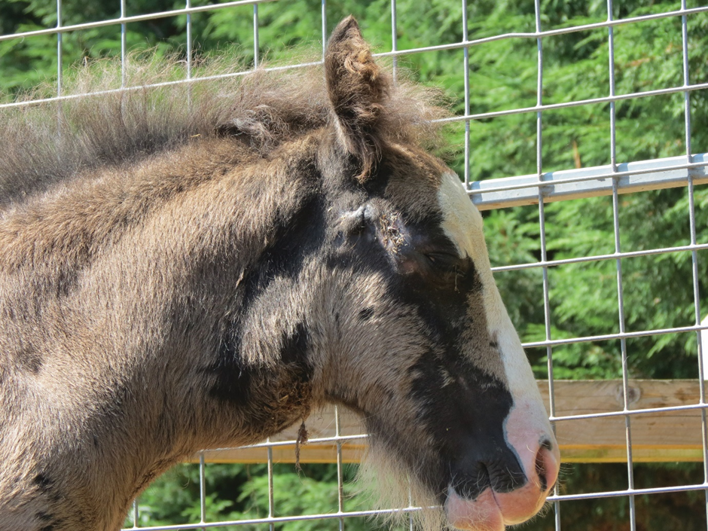
Large swelling around the neck and face - Image credit: Redwings Horse Sanctuary
What to do if you suspect your horse has strangles
Don’t wait for strangles to be confirmed before you isolate. The delay will allow time for the bacteria to spread to other horses.
• Isolate your affected horse(s) immediately
• Notify your yard owner
• Stop all horses moving on or off the yard
• Call your vet
• Implement a traffic light system to separate horses based on their risk of exposure
• Take each horse’s temperature twice daily
• Notify people and places that your horse may have come into contact within the last three weeks.
This may include:
o Yards or venues you’ve attended
o Allied professionals that have visited your yard (such as vets, farriers, physios)
o Transporters, coaches and grooms.
 play-circle
How to take a horse’s temperature
Sub-clinical strangles
Not all horses will show the same signs, or even any at all. This is called ‘sub-clinical strangles’. Some horses may only show signs such as:
• A mild fever
• Other forms of nasal discharge
• A slight loss of appetite.
Sub-clinical strangles may go unnoticed but infection can still spread. If you notice your horse showing mild signs, it’s always sensible to isolate them as a precaution and contact your vet for advice.
Treating strangles
Recovery for your horse will mainly involve nursing and supportive care, while they're in isolation, which your vet will advise you on. Where multiple vet practices are involved (for instance, on a DIY livery yard) vets will often work together to put a plan in place for the whole yard and designate a lead vet to make sure there’s clear communication.
Most horses recover from strangles in three–four weeks. It’s extremely important not to remove horses from isolation when their symptoms have cleared. Strangles bacteria can spread for around six weeks after signs of infection have gone, sometimes longer1. A driving factor of the spread of strangles is the movement of horses who appear to have recently recovered and be healthy but are yet to be fully cleared of the bacteria from their guttural pouches, so are still infectious3.
End of outbreak testing is the only way to make sure your horse is no longer infected and is safe to remove from isolation. Your vet will advise on the best process including when to test, what type of test is needed and for which horses.
Carriers
On average, 10 percent of horses1 (can vary between outbreaks) develop a persistent infection and are known as ‘carriers’ and can spread the bacteria for months or even years afterwards. Carriers usually have dried balls of pus, known as chondroids, stuck in their guttural pouches that continue to shed the bacteria, particularly during times of stress.
Only a vet can identify carriers by using a camera (endoscope) to look into guttural pouches and check for chondroids. If present, they can be removed and sometimes the area is treated locally with antibiotics to kill any remaining bacteria. Carriers will need a second test two weeks later to confirm they’re free from infection.
Prevention and testing for strangles
A strangles vaccine is available for use in the UK. This supports your horse’s immune response to reduce the risk of them getting strangles and limit the severity of their symptoms if they become infected. The vaccine is safe and effective4 and it won’t cause a false positive result if your horse has to be tested for strangles. The vaccine provides an additional layer of protection for your horse but it’s important to also maintain good hygiene and disease prevention measures.
Your vet will be able to advise whether the vaccine would be suitable for your horse and individual situation.
Speak with your vet to arrange strangles testing and vaccination for all new arrivals.
What’s it like dealing with a strangles outbreak?
Andrew Stennett, founder of BHS Approved Centre Grove House Stables shares his experience of strangles and why it's so important to speak out.
 play-circle
Andrew Stennett shares his experience of strangles
The Surveillance of Equine Strangles
The Surveillance of Equine Strangles (SES) project aims to raise awareness of the disease. Veterinary laboratories across the UK report to SES when they have a positive diagnosis of strangles. These findings are published on their website, which identifies where outbreaks are occurring across the UK.
References
chevron-down
chevron-up
1) McLinden, L. et al (2023) Advances in the understanding, detection and management of equine strangles. Equine Veterinary Journal. 35(12) P 662–672.
2) Fridberg, A. et al (2023) The hygienic aspects in the management of strangles. Equine Veterinary Journal. 35(10) P 540–550.
3) McGlennon, A. A., et al., (2025). Unwelcome neighbours: Tracking the transmission of Streptococcus equi in the United Kingdom horse population. Equine Veterinary Journal.