


In partnership with

Equine first-aid kit essentials
Emergencies can happen at any time. Being prepared will help you take appropriate action and get the best help for your horse. Having a first aid kit readily available will help you respond to any wounds quickly and efficiently.
We recommend you check your first aid kit every six months, removing any products that have expired. If you use any of the items, replace them as soon as possible, so the kit is complete for when you next need it.
On larger yards it’s recommended to have multiple first-aid kits available, and you may also want to create a separate kit for when you travel with horses.
Be aware that antiseptics, alcohol-based treatments and certain creams, gels and ointments can delay wound healing. In addition to killing bacteria, they also destroy healthy cells around the wound, can be painful by causing stinging and burning to the area, and result in a drying effect which creates an unsuitable environment for the wound to heal. Speak to your vet for their recommendations.
For you
chevron-down
chevron-up
Having items available to make sure your hands are clean before and after touching wounds will help reduce the risk of infection.
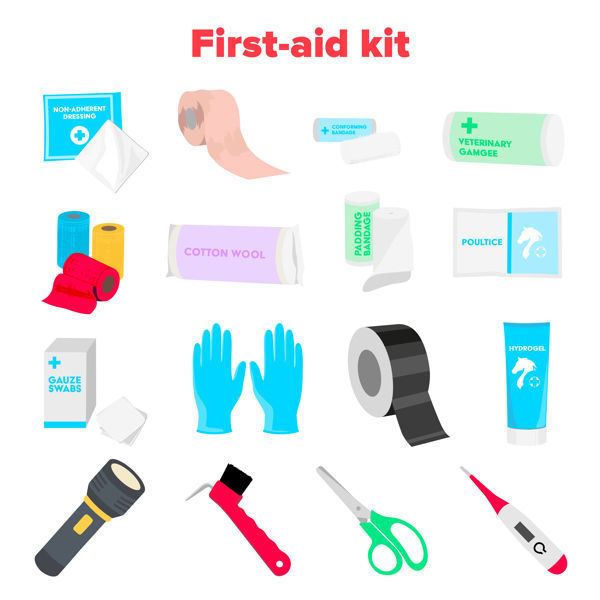
- Disposable gloves (Latex or alternative)

- Soap to wash your hands
- Hand gel
Equipment
chevron-down
chevron-up
Handy items stored in one easy-to-grab place
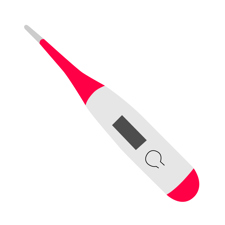
- Thermometer
- Torch

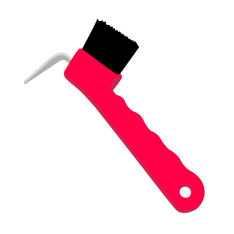
- Hoof pick
- Blunt-ended scissors

You may also want to include a spare headcollar and lead rope.
Wound cleaning
chevron-down
chevron-up
If a wound is particularly dirty, or perhaps full of bedding, your vet may ask you to gently clean the wound.
Most antiseptics or alcohol-based treatments are harmful to open wounds and may delay wound healing. Please ask for veterinary advice before using.
- Clean water (hosepipe or large bottle of drinking water)
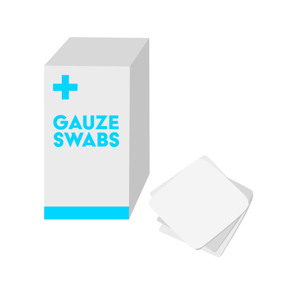
- Medical gauze swabs
- Clean large syringe (50ml+)
Wound dressing and bandaging
chevron-down
chevron-up
Your vet may advise you to apply a dressing to the wound. This could be while you’re waiting for them to arrive, for changes in bandaging or ongoing treatment. Having these items readily available will allow you to apply a secure and comfortable bandage to your horse.
Watch this video to find out how to apply a dressing.
 Warning - a number of topical treatments (creams, gels, ointments) are harmful to open wounds and may negatively impact wound healing. Please ask your vet before applying anything to your horse's wound.
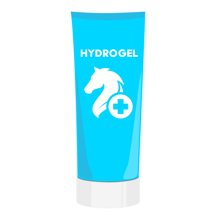
- Hydrogel
- Non-adherent dressings in various sizes - sterile pad to cover a wound without sticking to the skin (e.g. Melolin)
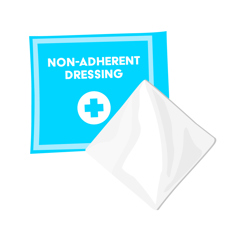
- Padding bandage - Holds dressing in place (e.g. Soffban)
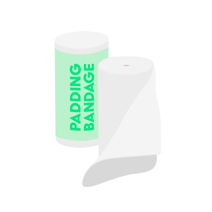
- Cotton wool bandage or gamgee - for padding and reducing pressure points

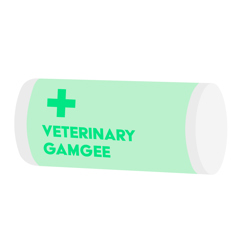
- Conforming bandage - woven bandage, used to secure cotton wool layer
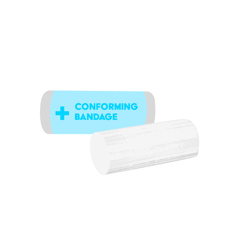
- Cohesive bandage (e.g. Vet Wrap) - sticks to itself to provide an outer cover

- Adhesive bandage - prevents dirt or bedding from getting under the bandage

- Poultice - for abscesses in the hoof

- Duct tape - for foot poultices only

Emergency care plan
chevron-down
chevron-up
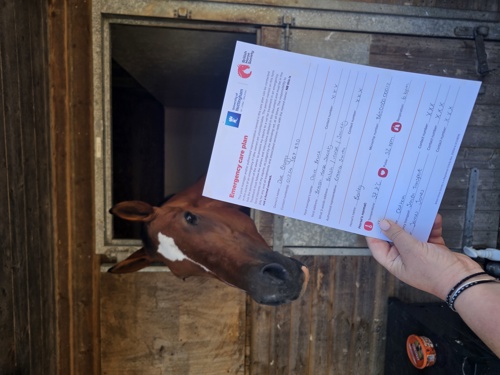
Time is of the essence in an emergency, especially if the condition is severe and referral to a veterinary hospital is required. Any delay could affect the outcome for your horse. By preparing an emergency care plan, you can avoid making rushed decisions.


Helpful links


Get in touch – we’re here to help
Our Horse Care and Welfare team are here to help and can offer you further advice with any questions you may have. Contact us on 02476 840517* or email welfare@bhs.org.uk. You can also get in touch with us via our social media channels.
Opening times are 8.35am–5pm from Monday — Thursday and 8.35am–3pm on Friday.
*Calls may be recorded for monitoring purposes.